

 Language


New Products
Popular Products
AIoT

AgroBot: Smart Agriculture Intelligent Robot
Product Features
- Plant disease identification
- DLI/VPD sensing
- Product Information
- Video
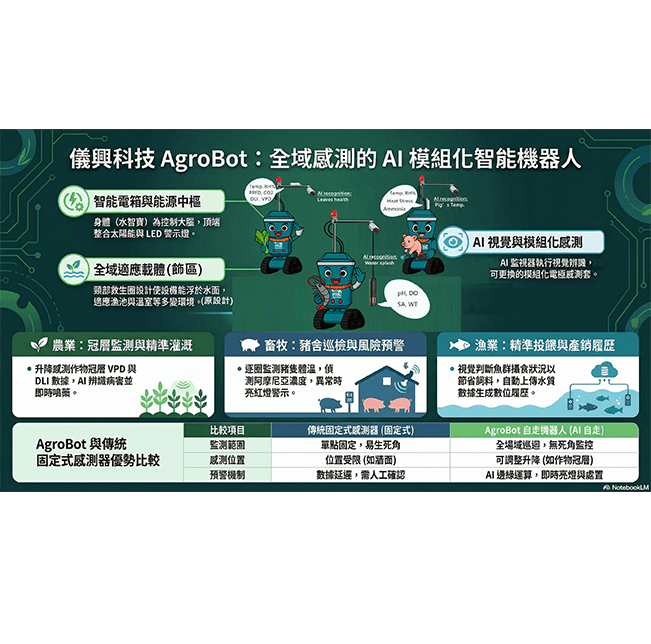
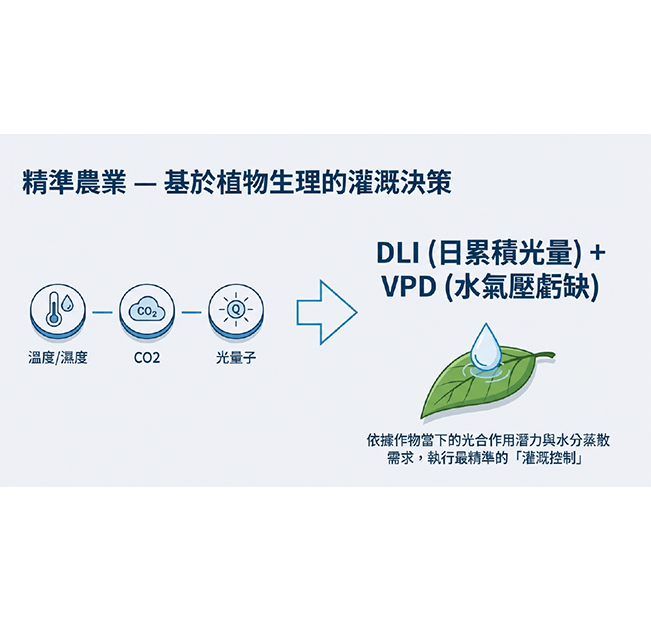
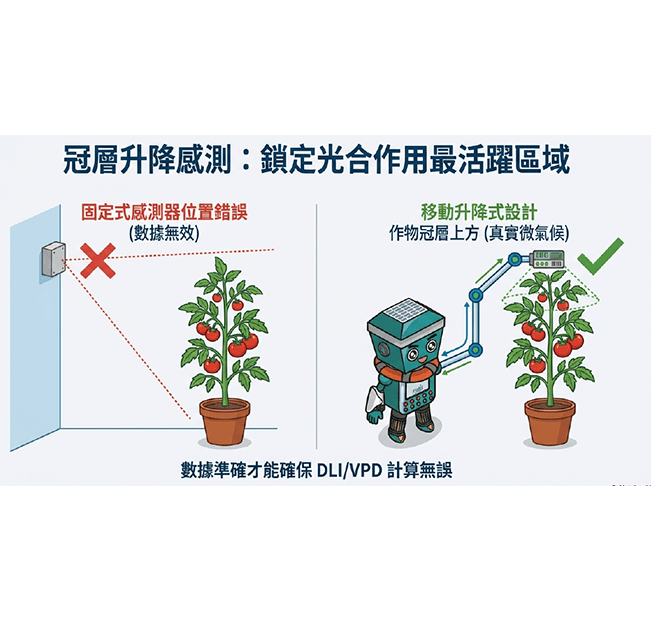
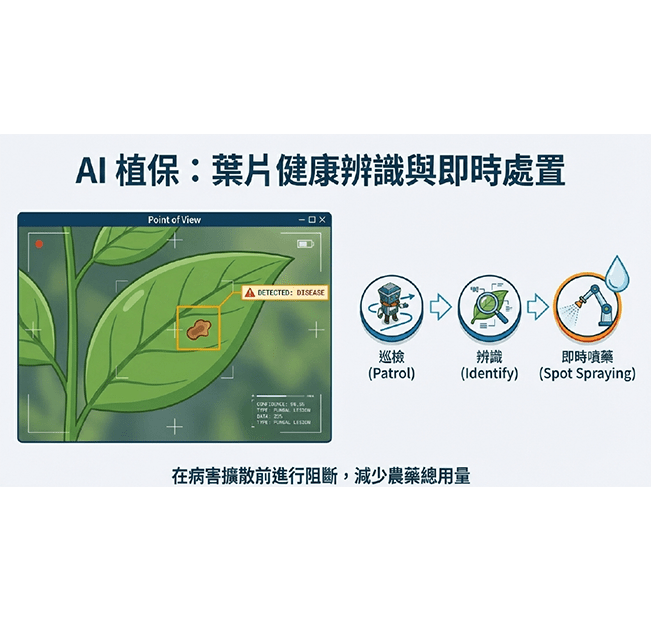
Smart agriculture AI leaf health identification × mobile environmental monitoring × precise application Traditional manual spraying of pesticides not only consumes manpower and pesticides, but farmers may also inhale pesticides, posing a safety hazard. At the same time, inexperienced farmers often have difficulty accurately identifying pests and diseases, affecting their judgment on the type and dosage of pesticides to be applied. Yihsing Technology's AI self-propelled equipment in smart agriculture fields can achieve: AI plant leaf image recognition with an accuracy rate of over 89.3% in identifying pests and diseases; real-time assessment of crop health status, initiating precise spraying upon detection of disease; integration with greenhouse environmental control sensing: temperature, humidity, atmospheric pressure, carbon dioxide (CO₂), and photons (PPFD), and performing DLI and VPD calculations as the basis for irrigation and environmental control decisions. The mobile, lifting sensor design maintains a measurement position 10-15 cm above the crop canopy, ensuring professional and accurate environmental control data. Non-fixed monitoring allows for complete uploading of data and AI anomaly images to the cloud. The same AI model can be extended to mobile devices, supporting real-time analysis of leaf health status via photos. Wind speed sensing can be added, automatically initiating measurement when the equipment stops moving, supporting more advanced applications.
The entire system is equipped with four ultra-wideband (UWB) positioning base stations. The battery charging function can maintain operation for 7 hours at a time. It has a front-end monitor and 2D LiDAR. It will automatically stop when it encounters an obstacle and has a charging port and warning light at the front end to indicate whether the equipment is operating normally or has low power and other error messages. The machine itself can self-diagnose the CPU system, battery status and vehicle attitude, and the identification results are sent back in real time.
The entire system is equipped with four ultra-wideband (UWB) positioning base stations. The battery charging function can maintain operation for 7 hours at a time. It has a front-end monitor and 2D LiDAR. It will automatically stop when it encounters an obstacle and has a charging port and warning light at the front end to indicate whether the equipment is operating normally or has low power and other error messages. The machine itself can self-diagnose the CPU system, battery status and vehicle attitude, and the identification results are sent back in real time.

